
In today's knowledge driven economy, organizations in Dublin face an increasingly complex challenge. Performance expectations continue to rise while employees navigate rapid change, constant connectivity, and heightened accountability.

In high performing corporate environments, productivity is no longer limited by skill or knowledge. It is limited by cognitive endurance. Prolonged screen exposure, constant decision making, compressed deadlines, and persistent mental stimulation are quietly eroding focus across modern workplaces in Dublin.

In contemporary professional environments, employees are no longer challenged solely by workload or deadlines. A less visible but equally impactful issue has emerged across Dublin workplaces, decision fatigue. This cognitive overload results from the constant need to make choices, prioritize tasks, and respond to complex demands throughout the workday.
Mental wellness programs in Dublin are evolving beyond traditional stress management and counselling models. At GlobeHeal Wellness, we approach mental wellbeing through a less explored but increasingly relevant framework known as psychological energy management.
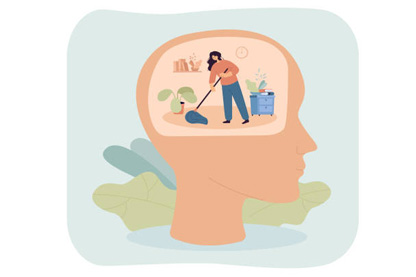
In Dublin's evolving professional landscape, conversations around workplace mental resilience are often framed around stress reduction, burnout prevention, or emotional wellbeing initiatives. While these are important, we believe a far more distinctive and underexplored factor deserves attention: cognitive load hygiene.
In today's fast-paced corporate environment, employee wellbeing has become a strategic priority rather than a secondary benefit. Organizations across Dublin are increasingly recognizing that healthy employees are more productive, engaged, and resilient. Corporate wellness webinars have emerged as a powerful and flexible solution to support workforce wellbeing while aligning with modern hybrid and remote work models.
In today's fast-paced corporate environment, mental health has become a critical business priority rather than a secondary concern. Organizations across Dublin are increasingly recognizing that employee wellbeing directly influences productivity, retention, and workplace culture. Corporate mental health and stress management initiatives are no longer optional. They are essential to building resilient, high-performing teams.

In today's fast-paced corporate environment, mental health has become a critical business priority rather than a secondary concern. Organizations across Dublin are increasingly recognizing that employee wellbeing directly influences productivity, retention, and workplace culture. Corporate mental health and stress management initiatives are no longer optional. They are essential to building resilient, high-performing teams.

In today's fast-paced corporate environment, employee wellbeing has become a strategic priority rather than a secondary benefit. Organizations across Dublin are increasingly recognizing that healthy employees are more productive, engaged, and resilient. Corporate wellness webinars have emerged as a powerful and flexible solution to support workforce wellbeing while aligning with modern hybrid and remote work models.
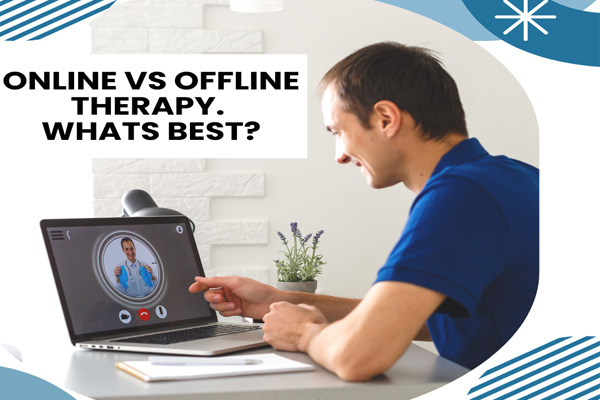
In today's fast-paced world, mental health support has become more accessible than ever. Whether you’re dealing with stress, burnout, anxiety, relationship struggles, or deeper emotional challenges, therapy is no longer limited to a clinic or counselor’s office. You now have two powerful options: online therapy and offline (in-person) therapy.

In recent years, online counselling in Ireland has become one of the most accessible and effective ways to seek mental health support. Whether you’re struggling with stress, anxiety, burnout, or simply need someone to talk to, digital therapy offers privacy, flexibility, and professional guidance — right from the comfort of your home.

When most people think about therapy or counselling, they picture it as something you turn to only when facing anxiety, depression, or other mental health challenges.
Artificial intelligence (AI) has changed how people explore mental health. Many now turn to AI chatbots, digital counsellors, or even ChatGPT to express their thoughts, ask for advice, or make sense of emotional struggles. It feels private, convenient, and instant — but there’s something deeper to consider.
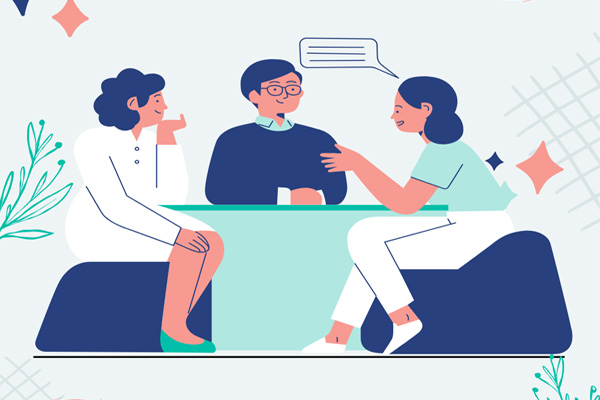
If you’ve ever thought about starting therapy but weren’t sure what actually happens during a session — you’re not alone. Many people in Ireland and the UK feel nervous about reaching out for counselling or psychotherapy for the first time. The truth is, therapy is not about judgment or diagnosis — it’s about creating a safe space where you can understand yourself better, feel supported, and find practical ways to move forward.
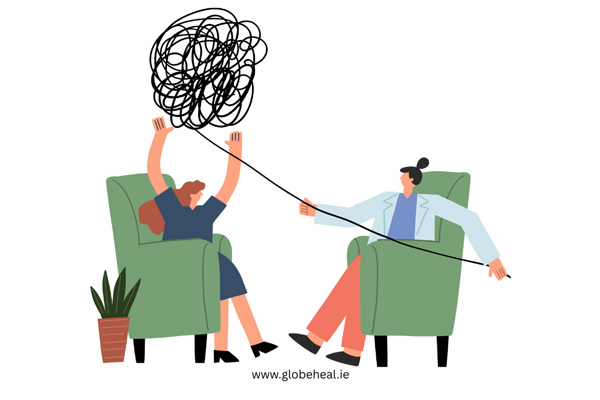
counselling and psychotherapy can support anyone who wants to improve their mental health, relationships, or daily wellbeing. If you’ve ever wondered “Do I really need therapy?”, here are 10 signs that speaking with a therapist might be the right step — even if life feels ‘okay’ on the surface.

Hillcrest Park, Lucan, Co. Dublin.
+353 19140161
+353 879334748
wellness@globeheal.ie